
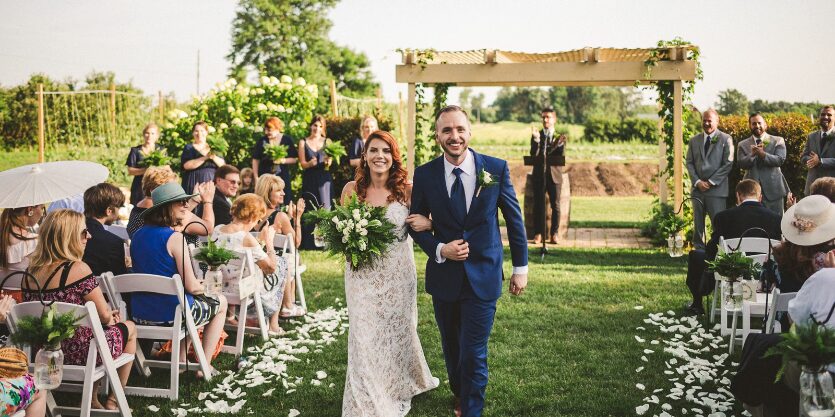
Texas destination wedding locations range from Gulf Coast beaches and Hill Country vineyards to modern city museums, desert landscapes, and wide-open ranches. The right choice depends on more than scenery: couples should also compare travel time, lodging, seasonal weather, guest mobility, venue rules, and the photography timeline.
This guide compares ten distinctive Texas settings and explains what each is best suited for. Availability, access, permits, and event policies can change, so confirm current requirements directly with every venue before signing a contract.
1. Lake Travis and the Austin Hill Country
The Lake Travis area offers elevated water views, dramatic sunsets, and easy access to Austin lodging and entertainment. It works especially well for couples who want a destination feel without placing guests far from a major airport and city amenities.
Best for: Sunset ceremonies, modern Hill Country style, and wedding weekends that include Austin activities.
Plan for: Heat, wind, changing lake levels, traffic, and a shaded or indoor weather backup. Ask exactly where the sun will set relative to the ceremony and portrait locations.
2. Dripping Springs and the Texas Hill Country
Dripping Springs is known for limestone buildings, oak trees, vineyards, ranches, and refined barn venues. The area offers many visual styles within a relatively compact region, from rustic celebrations to polished resort experiences.
Best for: Couples who want natural Texas scenery, flexible venue choices, and a relaxed weekend atmosphere.
Plan for: Transportation between lodging and rural venues, limited rideshare availability, uneven outdoor surfaces, and seasonal heat. A shuttle can simplify the experience for guests staying in Austin or nearby towns.
3. Marfa and the West Texas Desert
Marfa provides expansive desert light, minimalist architecture, contemporary art, and a distinctive sense of place. It is an unforgettable option for intimate weddings and couples who value design, privacy, and adventure.
Best for: Elopements, micro weddings, editorial portraits, and multi-day celebrations with a smaller guest list.
Plan for: Long travel distances, limited flights, lodging capacity, temperature swings, wind, and vendor availability. Build extra travel time into the schedule and ask vendors whether equipment or services must be brought in from another city.
4. Galveston Island
Galveston combines beach ceremonies with historic architecture, hotels, restaurants, and Houston-area accessibility. Couples can pair waterfront portraits with the character of downtown streets, historic properties, or resort spaces.
Best for: Coastal weddings, relaxed guest weekends, and couples who want both beach and architectural photography.
Plan for: Wind, humidity, tides, public beach activity, hurricane-season contingencies, and backup ceremony space. Sunset timing and direction matter, so coordinate the ceremony and portrait schedule with your photographer.
5. Dallas Arboretum and Garden Settings
Dallas-area gardens offer manicured landscapes, seasonal flowers, mature trees, and refined backdrops without requiring a rural destination. Garden settings can feel romantic and timeless while keeping guests close to hotels, airports, and city services.
Best for: Elegant daytime weddings, spring color, formal portraits, and couples who prefer a polished garden setting.
Plan for: Public access, walking distances, seasonal displays, photography restrictions, rain plans, and the hours assigned to private events. Verify which areas are reserved exclusively for your celebration.
6. Fredericksburg and Texas Wine Country
Fredericksburg blends vineyards, limestone architecture, rolling countryside, tasting rooms, and a walkable town popular with weekend visitors. It can support an entire destination itinerary, including a welcome gathering, rehearsal dinner, and farewell brunch.
Best for: Vineyard weddings, intimate luxury celebrations, and couples who want guests to enjoy a full Hill Country weekend.
Plan for: Peak tourism weekends, lodging minimums, transportation after wine service, summer heat, and travel between properties. Reserve room blocks and transportation early when the wedding overlaps with a festival or holiday.
7. San Antonio River Walk and Historic Districts
San Antonio offers riverfront hotels, courtyards, historic architecture, cultural landmarks, and excellent dining within a compact destination. It is a strong choice for couples who want a city celebration with unmistakable Texas character.
Best for: Historic elegance, cultural celebrations, walkable wedding weekends, and guests who appreciate restaurants and sightseeing.
Plan for: Crowds, public walkways, parking, loading restrictions, and permission requirements at portrait locations. Clarify whether your ceremony is hosted by a private venue rather than assuming a landmark or public area allows weddings.
8. Enchanted Rock and Hill Country Nature
Enchanted Rock and the surrounding Hill Country provide granite formations, open skies, native landscapes, and adventurous portrait opportunities. Because a state natural area is different from a traditional wedding venue, couples should treat it primarily as an elopement or portrait setting unless current event authorization is confirmed.
Best for: Adventure elopements, small ceremonies, sunrise portraits, and couples comfortable outdoors.
Plan for: Reservations or permits, limited facilities, hiking, footwear, accessibility, weather, park hours, and Leave No Trace practices. Keep the guest list and equipment realistic for the location.
9. Houston Museum District
Houston's Museum District offers modern architecture, art-focused venues, nearby hotels, and a sophisticated urban setting. It can provide a destination experience for out-of-town guests while remaining convenient for couples and vendors based in Greater Houston.
Best for: Modern, elegant, or art-inspired weddings; formal evening celebrations; and couples who want city convenience.
Plan for: Museum event rules, gallery restrictions, lighting limitations, parking, nearby events, and approved vendor requirements. Ask where flash, tripods, and portrait sessions are permitted before finalizing the photography plan.
10. Texas Ranch Venues
Ranch venues can offer oak trees, open fields, covered pavilions, barns, long drives, and privacy. Options range from casual working ranches to luxury properties with climate-controlled ballrooms and onsite accommodations.
Best for: Large celebrations, outdoor ceremonies, Western or refined-rustic style, and couples who want the ceremony and reception in one location.
Plan for: Distance from hotels, transportation, insects, heat, rain, ground conditions, generator needs, and the quality of indoor backup spaces. Ask what is included because rentals, staffing, cleanup, and security vary considerably.
How to Compare Texas Destination Wedding Locations
A beautiful photograph is only one part of a successful destination wedding. Before choosing a location, compare these practical details:
- Guest travel: Identify the nearest airport, average drive time, parking, shuttle options, and accessibility needs.
- Lodging: Confirm room-block availability, minimum stays, check-in times, and transportation to the venue.
- Weather backup: Tour the actual indoor alternative and confirm that it can comfortably hold your guest count.
- Venue access: Ask when the wedding party and vendors may arrive and whether setup or portrait time requires additional hours.
- Vendor policies: Review preferred-vendor lists, insurance requirements, outside-vendor fees, catering rules, and alcohol policies.
- Total cost: Include travel, accommodations, rentals, shuttles, parking, permits, overtime, and taxes—not only the venue fee.
- Photography conditions: Consider sunset, shade, indoor light, walking distances, portrait permissions, and travel between locations.
Best Seasons for a Texas Destination Wedding
Spring and fall are popular because temperatures are often more comfortable, but conditions vary across a state as large as Texas. Houston and Galveston can be humid and affected by tropical weather. West Texas can have strong sun, wind, and large temperature changes. Hill Country summers are hot, while winter evenings can be cold.
Build a plan around the specific region rather than relying on a statewide seasonal rule. Ask your venue about typical conditions, sunset time, shade, heating or cooling, and the point at which the weather backup will be activated.
Photography Planning for a Destination Wedding
Destination timelines need more breathing room than single-location weddings. Travel, unfamiliar properties, guest transportation, weather, and venue access can all affect the schedule. Share every address with your photographer early and confirm how long transitions really take.
When possible, schedule portraits during softer light and reserve time before guests enter high-traffic areas. For venues with strict access windows, create a short priority list of family groups and portrait locations. A second photographer can help when partners prepare at different properties or when cocktail-hour details and family portraits happen simultaneously.
Review our wedding photography portfolio to see how Trevino Studios documents portraits, ceremonies, details, and candid moments in a range of settings.
Budgeting for Destination Wedding Photography
Travel-related photography costs may include mileage, flights, lodging, rental transportation, permits, or an additional travel day. Ask for these items in writing so you can compare complete proposals. Our Houston wedding photography cost guide explains the factors behind professional pricing, while the wedding photography calculator provides a personalized starting estimate for coverage and add-ons.
You can also review our wedding photography packages and guide to wedding vendor deposits before building your payment calendar.
Texas Destination Wedding FAQs
What is the best Texas destination for a wedding?
The best destination depends on your priorities. Hill Country suits vineyards and ranches, Galveston offers the coast, Marfa provides desert scenery, and Houston, Dallas, Austin, or San Antonio offer easier airport and hotel access.
Do we need a permit for an outdoor Texas wedding?
Possibly. State parks, beaches, gardens, museums, and other public or protected locations may require reservations, permits, fees, or approval for professional photography. Confirm current rules directly with the property or managing authority.
How far in advance should we reserve a destination venue?
Popular Saturdays and peak-season dates may book more than a year ahead. Begin earlier when the location has limited lodging, a small vendor pool, or major festivals and events that affect availability.
Should we provide transportation for guests?
Transportation is helpful when the venue is rural, parking is limited, alcohol is served, or rideshare service is unreliable. A shuttle also keeps the timeline more predictable.
When should we book the photographer?
Contact photographers as soon as the venue and date are secure. Destination coverage requires additional planning, and the photographer may need to reserve travel days in addition to the wedding date.
Plan Your Texas Destination Wedding with Trevino Studios
The best destination balances scenery with a comfortable, realistic experience for you and your guests. Once you have a region or venue in mind, Trevino Studios can help you plan coverage around travel, light, family photographs, and the moments that matter most.
Contact Trevino Studios to check your date and discuss photography for your Texas destination wedding.